

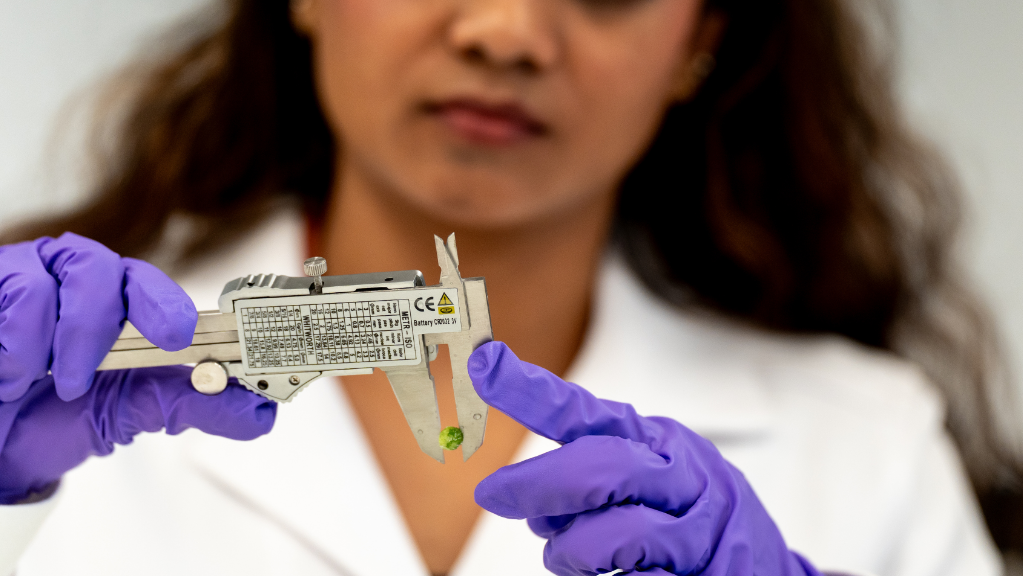
Food safety and quality assurance continues to evolve across the global frozen food supply chain. FSQA Coordinator, Abishna Burugu breaks down how FSQA supports Brecon’s mission, and what food safety leadership looks like today.
Can you briefly describe your role at Brecon and how FSQA fits into the broader mission of the company? At Brecon, my role focuses on ensuring food safety, quality, and regulatory compliance across our frozen supply chain. FSQA supports the company’s broader mission by protecting consumers, enabling customer trust, and supporting business growth.
How has the role of FSQA evolved in the frozen food supply chain over the last few years? FSQA has evolved from basic compliance to a proactive, risk based function which ensures food safety risks are managed early, not just verified at the end. There is now greater emphasis on prevention, data driven decision making, and supplier collaboration across global frozen supply chains.
Why food safety is no longer just a compliance function, but a strategic priority for food businesses today Food safety directly impacts consumer health, brand reputation, business continuity, and customer confidence. Today, it is a strategic priority because failures can lead to recalls, financial loss, and long term damage to consumer trust.
What expectations are you seeing from customers and retail partners when it comes to transparency and food safety assurance? Customers and retailers increasingly expect full transparency, strong traceability, documented food safety controls, and testing reports. They want real time visibility, rapid issue resolution, and food safety assurance that risks are managed proactively.
What are some of the most significant food safety risks facing global frozen food supply chains today? Major risks include pathogen control, temperature abuse, supplier variability, and complex global sourcing. Extended supply chains also increase challenges around traceability and regulatory consistency.
What role does traceability play in reducing food safety risk and building trust across borders? Traceability allows companies to respond quickly and precisely during food safety incidents, minimizing impact and protecting consumers. It also strengthens confidence among regulators and customers.
Strong traceability systems support transparency, accountability, and compliance across global supply chains, making them essential for international trade.
From your perspective, what does an effective, risk based food safety program look like in practice? An effective, risk based food safety program proactively identifies hazards across the supply chain and prioritizes controls based on their potential impact. It integrates preventive measures, real time monitoring, and strong supplier management to reduce risks before they reach the consumer. Continuous verification, audits, and data analysis ensure the program adapts to emerging challenges.
What does food safety leadership mean to you, and how does Brecon aim to lead by example, in the frozen food industry? Leadership in food safety is about influencing culture, inspiring teams, and ensuring every product meets the highest safety standards. Brecon leads by example through active engagement with customers, strong supplier partnerships, rigorous controls, and continuous improvement initiatives.
What trends or changes do you expect will shape FSQA priorities over the next few years? FSQA priorities will increasingly be shaped by advanced technologies such as AI, predictive analytics, and IoT enabled monitoring, allowing teams to identify hazards earlier and take preventive action. Greater use of data analytics will strengthen proactive food safety management. At the same time, deeper supply chain collaboration, stronger food safety culture, and a shift from compliance driven programs to strategic risk management will define the future of FSQA.