
Understanding Trade Disruptions: Navigating Complexity in the Global Cold Chain
In an era of deep global integration, trade disruptions have become a more frequent operational reality. For businesses operating in the cold chain — where efficiency, compliance, and timing are critical — understanding the drivers and impacts of trade volatility is essential. Shifts in tariffs, evolving regulatory frameworks, and logistical challenges can influence everything from sourcing strategies to margin protection.
Beyond the Border: How Tariffs Influence Trade Flow
Tariffs are among the most visible levers of trade policy. While often implemented to support domestic industries or address trade imbalances, they can also introduce significant cost variability across international supply chains. For companies importing frozen food products, this means factoring in duties that may fluctuate based on origin, commodity type, and bilateral agreements. Understanding tariff structures — and staying ahead of updates — is crucial for financial planning and procurement flexibility.
Cold Chain Pressures in a Shifting Trade Environment
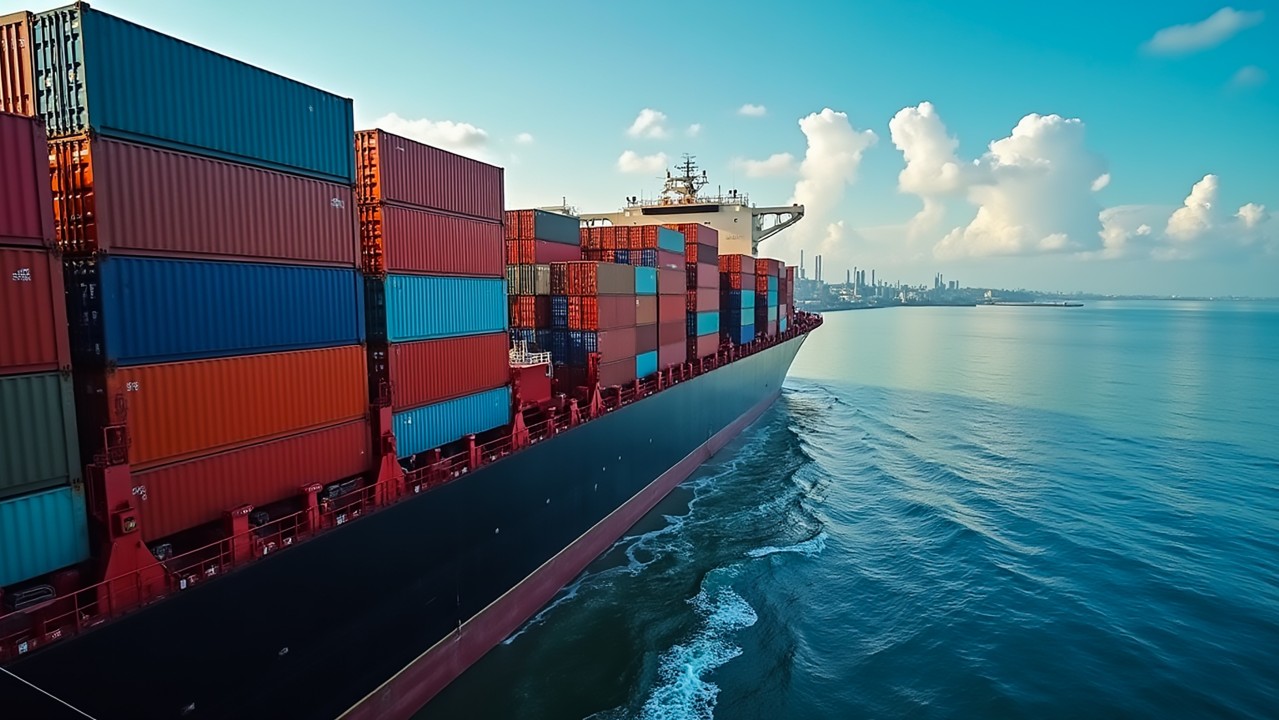
Trade disruptions extend beyond policy decisions. Congested ports, container shortages, and rerouted shipping lanes have increasingly affected the timely movement of temperature-controlled goods. These disruptions don’t just delay delivery — they test shelf life, strain warehousing capacity, and demand tighter inventory oversight. For cold chain operators, agility in routing and sourcing has become just as important as operational consistency.
The Overlap Between Trade, Tax, and Compliance
When supply routes shift, the financial implications follow. Businesses may encounter new jurisdictions with differing customs classifications, tax obligations, or documentation requirements. This complexity impacts more than logistics — it touches corporate tax strategies, internal controls, and risk management practices. Teams that collaborate across finance, compliance, and supply chain are better positioned to adapt with minimal disruption.
Building Trade Resilience in the Cold Chain
While disruptions can’t always be avoided, their impact can be managed. Businesses are finding value in diversifying supplier bases, investing in technology that enhances supply chain visibility, and strengthening compliance programs that anticipate and accommodate regulatory changes. Maintaining flexibility — both operationally and strategically — supports continuity when conditions evolve unexpectedly.
Looking Ahead
Global trade will continue to shift in response to political, environmental, and economic forces. For companies involved in the cold chain, the key is not to avoid disruption but to build capacity to navigate it. By understanding the interconnected nature of trade, finance, and logistics, businesses can move from reactive to resilient — ensuring their operations remain stable, compliant, and competitive in a complex and changing world.
Sources: https://www.edc.ca/en/article/how-tariffs-work-for-business.html https://tax.thomsonreuters.com/blog/global-trade-disruptions-and-their-impact-on-corporate-tax-and-trade/ https://www.lotus-containers.com/en/global-supply-chain-disruptions/