
The frozen vegetable sector is moving into a period of steady expansion, fueled by shifting consumer expectations, stronger cold chain networks, and a wider embrace of plant-forward diets. According to recent market analysis, the category is expected to rise from just over USD 20 billion in 2025 to more than USD 27 billion by the end of the decade, reflecting how frozen formats continue to align with the way people shop, cook, and think about long term food security.
What was once considered a purely convenience driven category has matured into a space defined by technology, sustainability, and global accessibility. Improved freezing methods are delivering vegetables that retain flavour and texture more consistently than in the past, while innovations in energy-efficient equipment and environmentally conscious packaging are reshaping how processors operate. These advances reduce waste across the supply chain and reinforce the essential role frozen foods play in meeting demand during periods of climate pressure and logistical uncertainty.
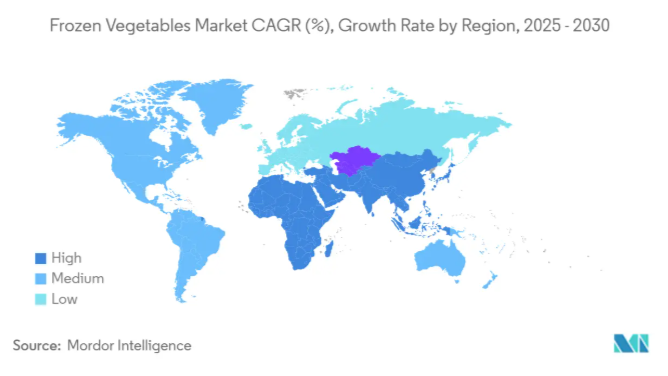
Regional dynamics are evolving as well. Europe continues to be the strongest market for frozen vegetable consumption, yet Asia Pacific is poised to become the most influential growth engine due to expanding urban populations, rising incomes, and an increasing need for time saving meal solutions. This shift highlights the importance of global supply partnerships that can balance seasonal availability with year round demand.
Within the category itself, certain vegetables are setting the pace. Peas maintain their long standing position as a top volume driver, supported by broad consumer familiarity and versatility. Broccoli, however, is emerging as one of the fastest growing items, benefitting from its strong association with healthy eating and its suitability for advanced freezing technologies that preserve quality.
Online grocery adoption is also altering the landscape. As more households build weekly baskets through digital platforms, frozen vegetables have become a dependable choice for shoppers seeking predictable quality and extended shelf life. This behavior is reshaping how retailers merchandise the category, encouraging closer integration between frozen offerings and broader meal-planning solutions.
The future of the frozen vegetable market will be shaped by the industries and organizations capable of connecting reliable production with evolving consumer needs. Companies that invest in innovation, responsible sourcing, and aligned global partnerships will be best positioned to support the next phase of growth in a category that continues to prove its resilience.
Sources: https://www.mordorintelligence.com/industry-reports/global-frozen-vegetables-market?